Islamic Historical Places
Sites of lasting significance in Islamic history — from Mecca and Medina to landmarks across the world, grouped by region.
The Three Holiest Sites
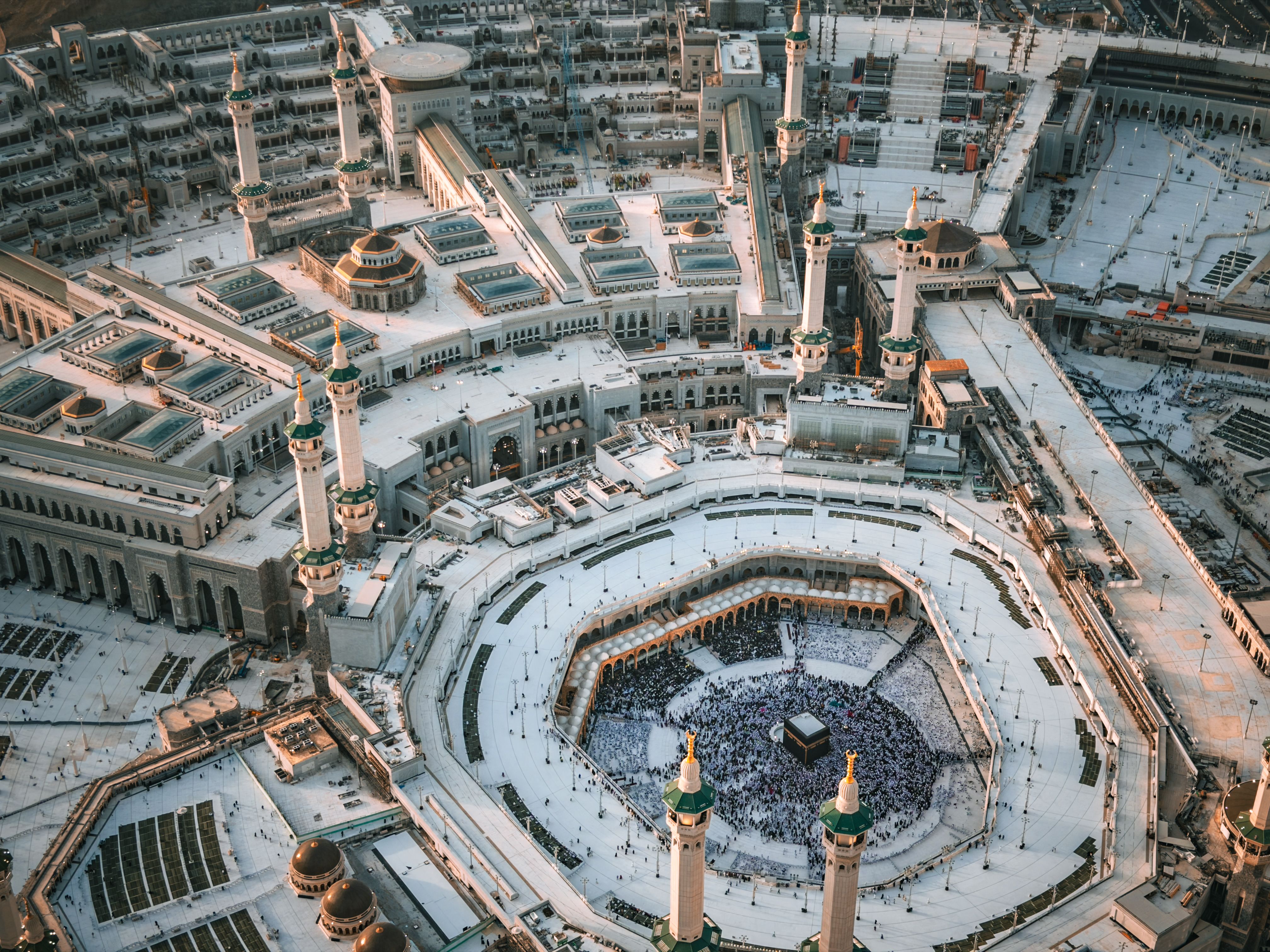
Masjid al-Haram
Mecca, Saudi Arabia
The largest and holiest mosque in Islam, surrounding the Kaaba, the direction all Muslims face in prayer. Also home to the Black Stone, the Station of Ibrahim, and the Well of Zamzam.
View on map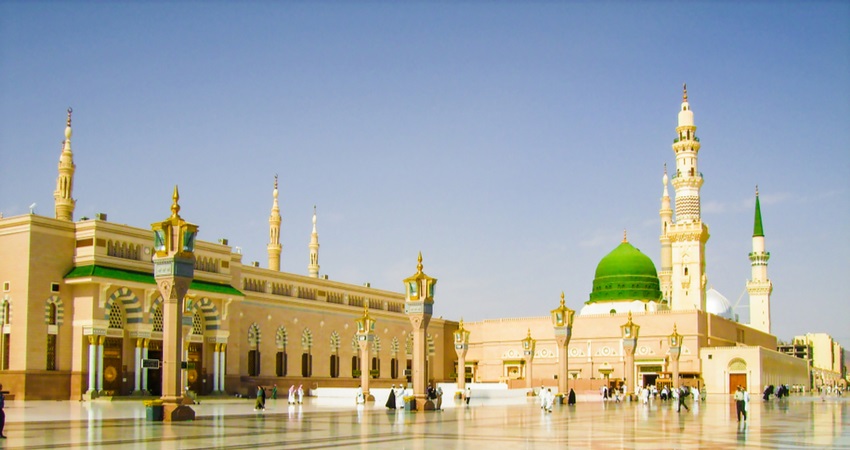
Masjid an-Nabawi (The Prophet's Mosque)
Medina, Saudi Arabia
Built by the Prophet Muhammad ﷺ after his migration to Medina, making it Islam's second holiest site. The Green Dome marks his tomb, alongside those of Abu Bakr and Umar.
View on map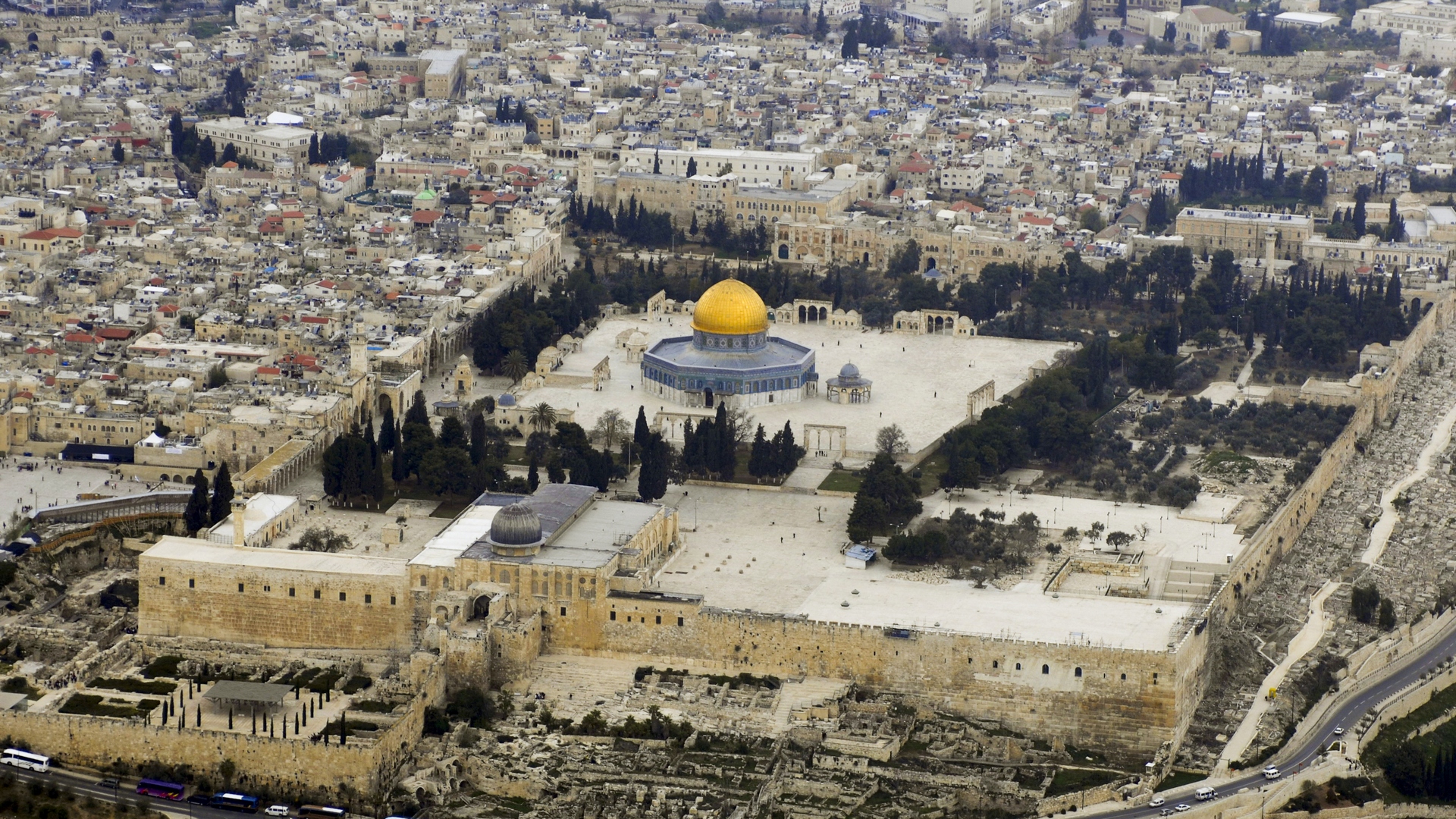
Al-Aqsa Mosque
Jerusalem
Islam's third holiest site, associated with the Prophet's Night Journey and Ascension. Includes the Al-Qibli Mosque with its silver dome.
View on map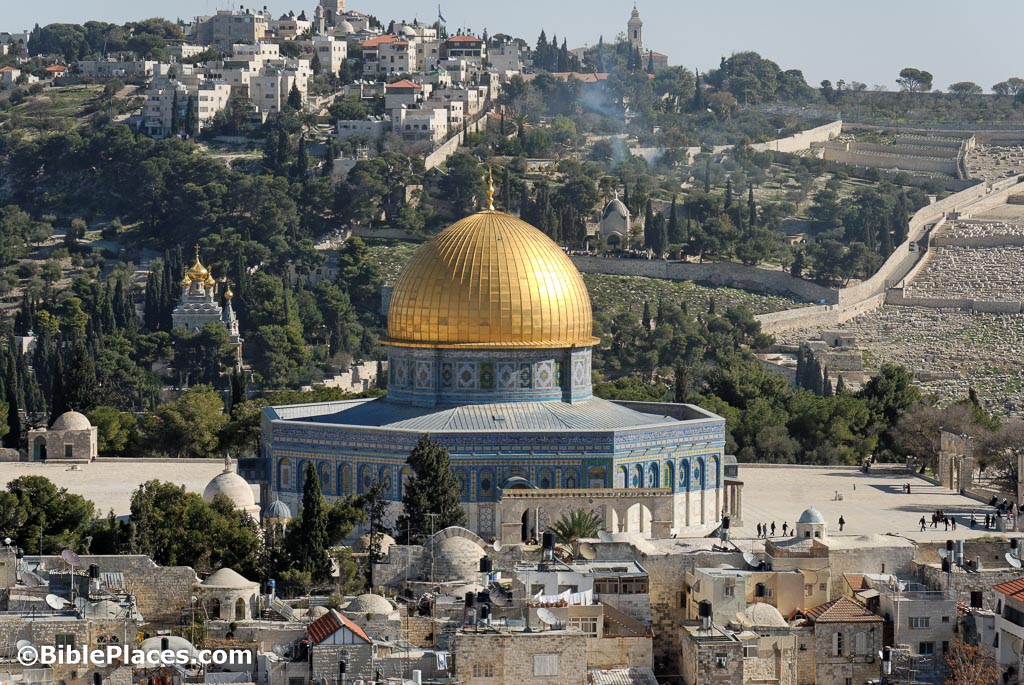
Dome of the Rock
Jerusalem
The gold-domed shrine built during the Umayyad Caliphate, standing within the Al-Aqsa compound over the rock associated with the Night Journey.
View on mapMiddle East & North Africa
Umayyad Mosque
Damascus, Syria
One of the oldest and largest mosques in the world, built in the early 8th century and regarded as a masterpiece of early Islamic architecture.
View on mapIbn Tulun Mosque
Cairo, Egypt
One of the oldest mosques in Egypt still standing in its original form, built in the 9th century and notable for its spiral minaret.
View on mapAl-Azhar Mosque
Cairo, Egypt
Founded in 970 CE, it grew into one of the oldest continuously operating universities in the world and remains a major center of Islamic learning.
View on mapCitadel of Cairo
Cairo, Egypt
A hilltop fortification built by Saladin in the 12th century, part of what made Cairo known historically as the "City of a Thousand Minarets."
View on mapGreat Mosque of Kairouan
Kairouan, Tunisia
Founded in 670 CE, one of the oldest places of worship in the Islamic world and an early architectural model for mosques across North Africa and Spain.
View on mapGreat Mosque of Samarra
Samarra, Iraq
Built during the Abbasid Caliphate in the 9th century, famed for its unique 52-meter spiral minaret, the Malwiya.
View on mapIslamic Spain & Europe
Great Mosque of Cordoba
Cordoba, Spain
Built in the 8th century during the Umayyad Emirate of al-Andalus, famed for its hall of over 850 double-arched columns. Now a cathedral, it remains a landmark of Islamic architectural history.
View on mapThe Alhambra
Granada, Spain
A hilltop palace and fortress complex built by the Nasrid Dynasty in the 13th and 14th centuries, celebrated for its stucco carving, calligraphy, and courtyard gardens.
View on mapStari Most (Mostar Bridge)
Mostar, Bosnia and Herzegovina
A 16th-century Ottoman bridge commissioned by Sultan Suleiman the Magnificent, standing as a symbol of the historic Islamic presence in the Balkans.
View on mapCentral & South Asia
The Registan
Samarkand, Uzbekistan
The centerpiece of the Timurid Empire — a grand public square framed by three blue-tiled madrasahs known for intricate geometric mosaic work.
View on mapBadshahi Mosque
Lahore, Pakistan
Built by Mughal Emperor Aurangzeb in 1673, this red sandstone and marble mosque was once the largest in the world and remains a symbol of Mughal grandeur.
View on mapTürkiye & the Ottoman Realm
Sultan Ahmed Mosque (Blue Mosque)
Istanbul, Turkey
A 17th-century Ottoman mosque known for the hand-painted blue tiles lining its interior and its six minarets, standing across from the Hagia Sophia.
View on map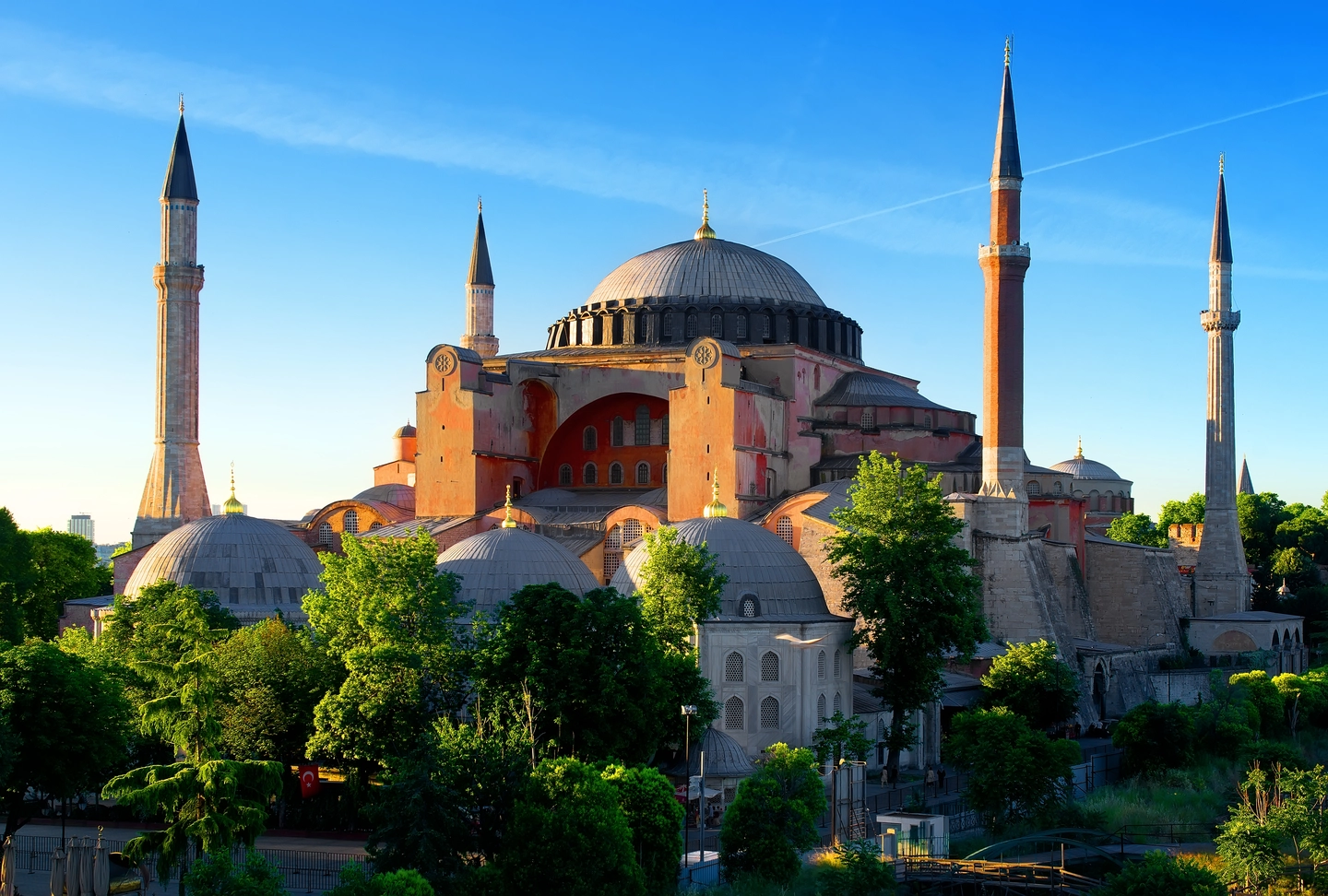
Hagia Sophia
Istanbul, Turkey
Originally a Byzantine cathedral, later converted into a mosque following the Ottoman conquest of Constantinople — one of Istanbul's most significant landmarks across both eras.
View on mapSüleymaniye Mosque
Istanbul, Turkey
Designed by the Ottoman imperial architect Mimar Sinan in the 16th century, widely regarded as the high point of classical Ottoman architecture.
View on mapEarly Islamic History
Cave of Hira
Jabal an-Nour, near Mecca, Saudi Arabia
The cave on the Mountain of Light where the Prophet Muhammad ﷺ received the first revelation of the Quran.
View on mapCave of Thawr
Jabal Thawr, near Mecca, Saudi Arabia
Where the Prophet Muhammad ﷺ and Abu Bakr took shelter for three nights while migrating to Medina, evading their pursuers.
View on mapQuba Mosque
Medina, Saudi Arabia
Widely regarded as the first mosque built in Islamic history, established by the Prophet Muhammad ﷺ upon arriving in Medina.
View on map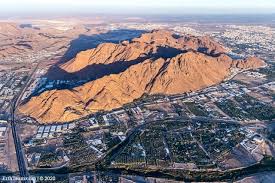
Mount Uhud
Medina, Saudi Arabia
Site of the Battle of Uhud (625 CE) and the burial place of many of its martyrs, including Hamza ibn Abd al-Muttalib.
View on mapBadr
Al Madinah Province, Saudi Arabia
Site of the Battle of Badr (624 CE), the first major battle in Islamic history and a turning point for the early Muslim community.
View on map