Ask anyone who's ever called a masjid to check tonight's Isha time, only to get a busy signal or no answer. Or the person who drove across town for a fundraiser dinner, only to find out the date had changed and the flyer never got updated. These aren't rare stories — they're the everyday friction of running a community space with tools built for a different era.
A masjid's website (if it has one) is often years out of date. Prayer times get written on a whiteboard. Event announcements live on a physical bulletin board that half the community never walks past. None of this is anyone's fault — masjid administrators are usually volunteers, juggling this alongside full-time jobs and family life. The problem isn't effort. It's that the tools available were never built for this specific job.
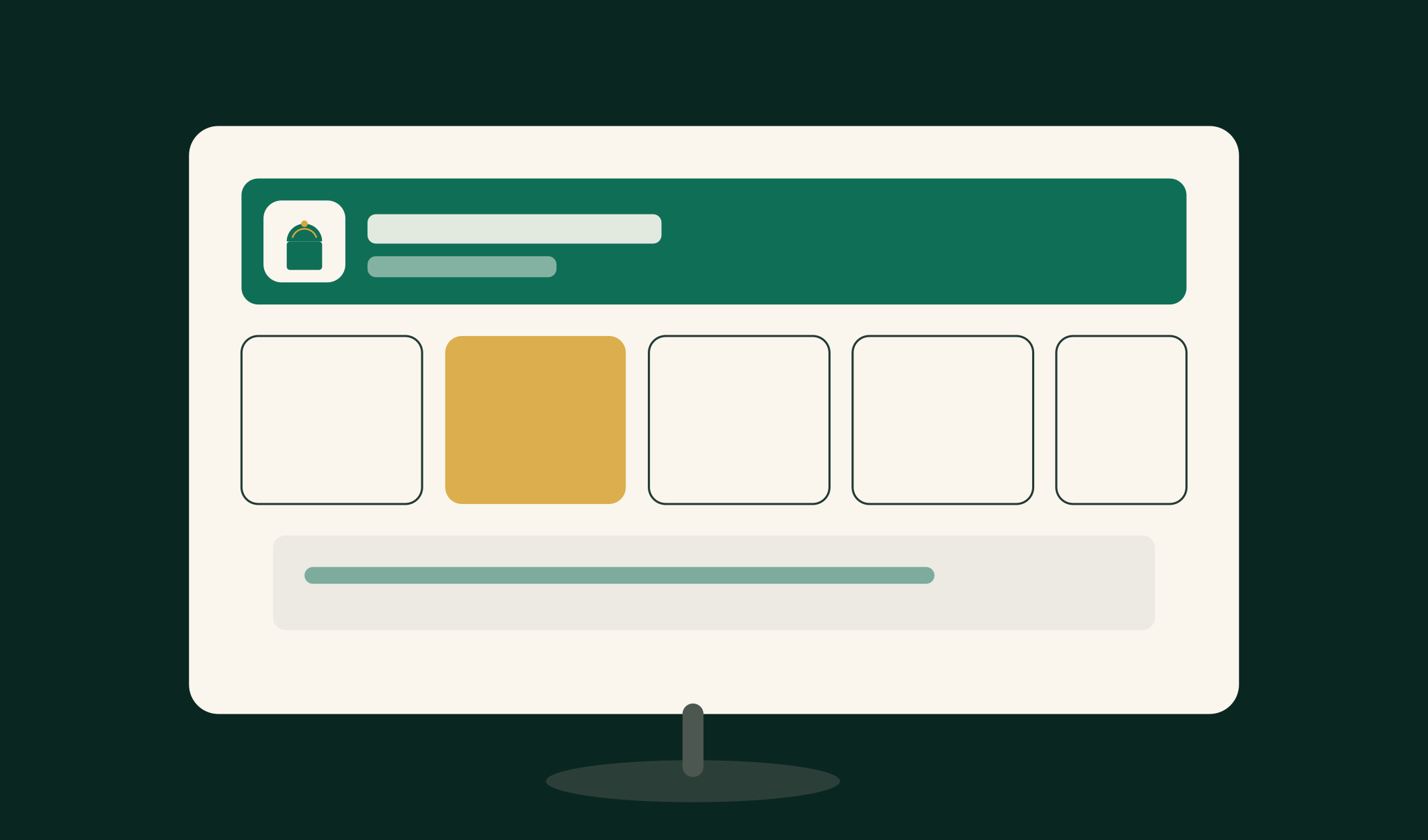
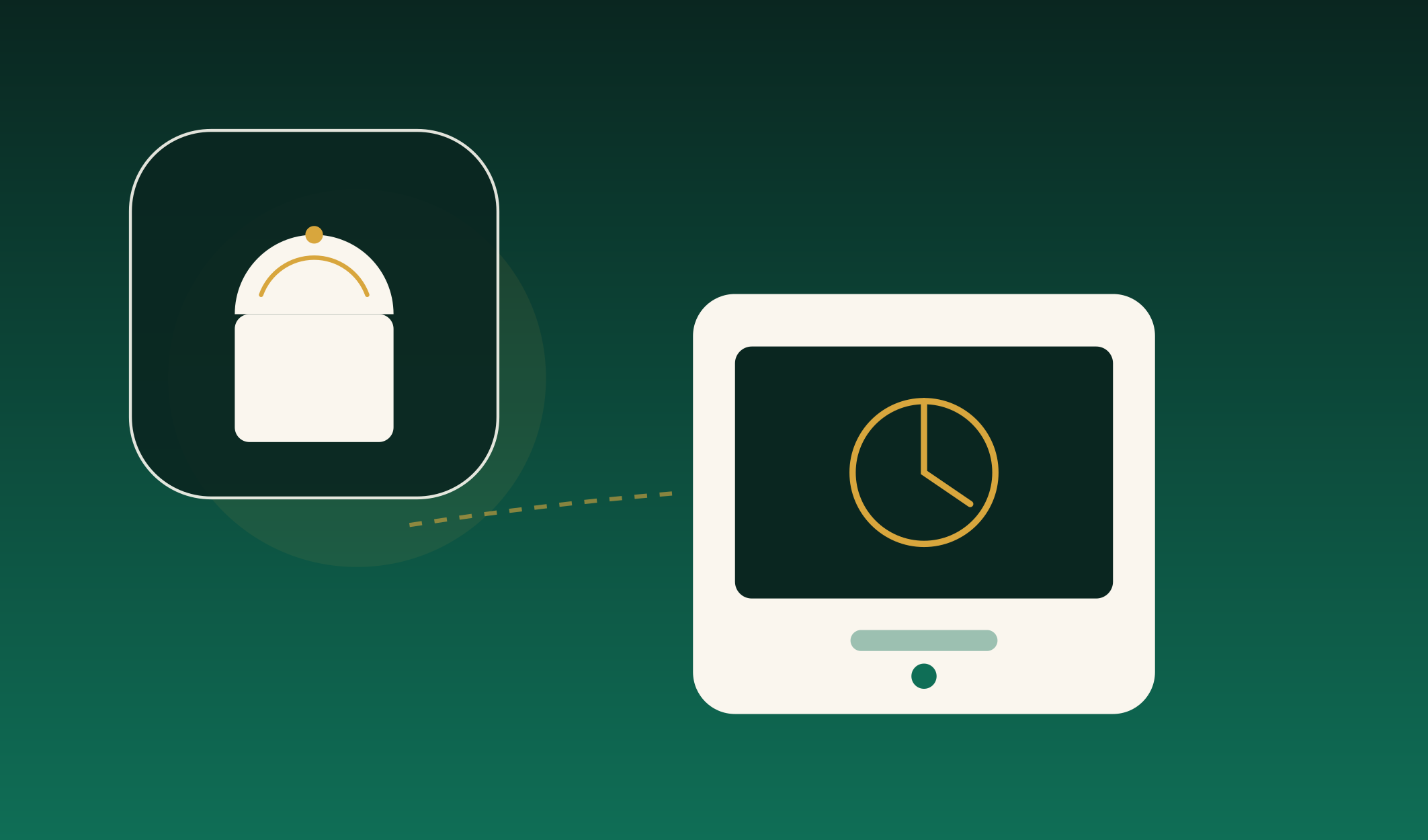
A proper digital home for a masjid means three things happen at once. First, anyone — a new Muslim, someone new to the city, a traveler — can find accurate prayer times, the address, and what's happening this week, without needing to know anyone or call anyone. Second, the people already running things get their time back: update the Iqamah time once, and it's correct everywhere — the website, the TV screen in the lobby, the mobile app — instead of updating five different things by hand. Third, and maybe most importantly, it builds trust. A community that can see clearly how its masjid runs — its events, its donations, its announcements — is a community that engages more, not less.
None of this requires giving up what makes a masjid a masjid. The goal was never to make things feel corporate or impersonal. It's the opposite: technology, used well, gives the volunteers running these spaces more time for the things that actually need a human touch, and gives everyone else one less reason to feel like an outsider walking in for the first time.